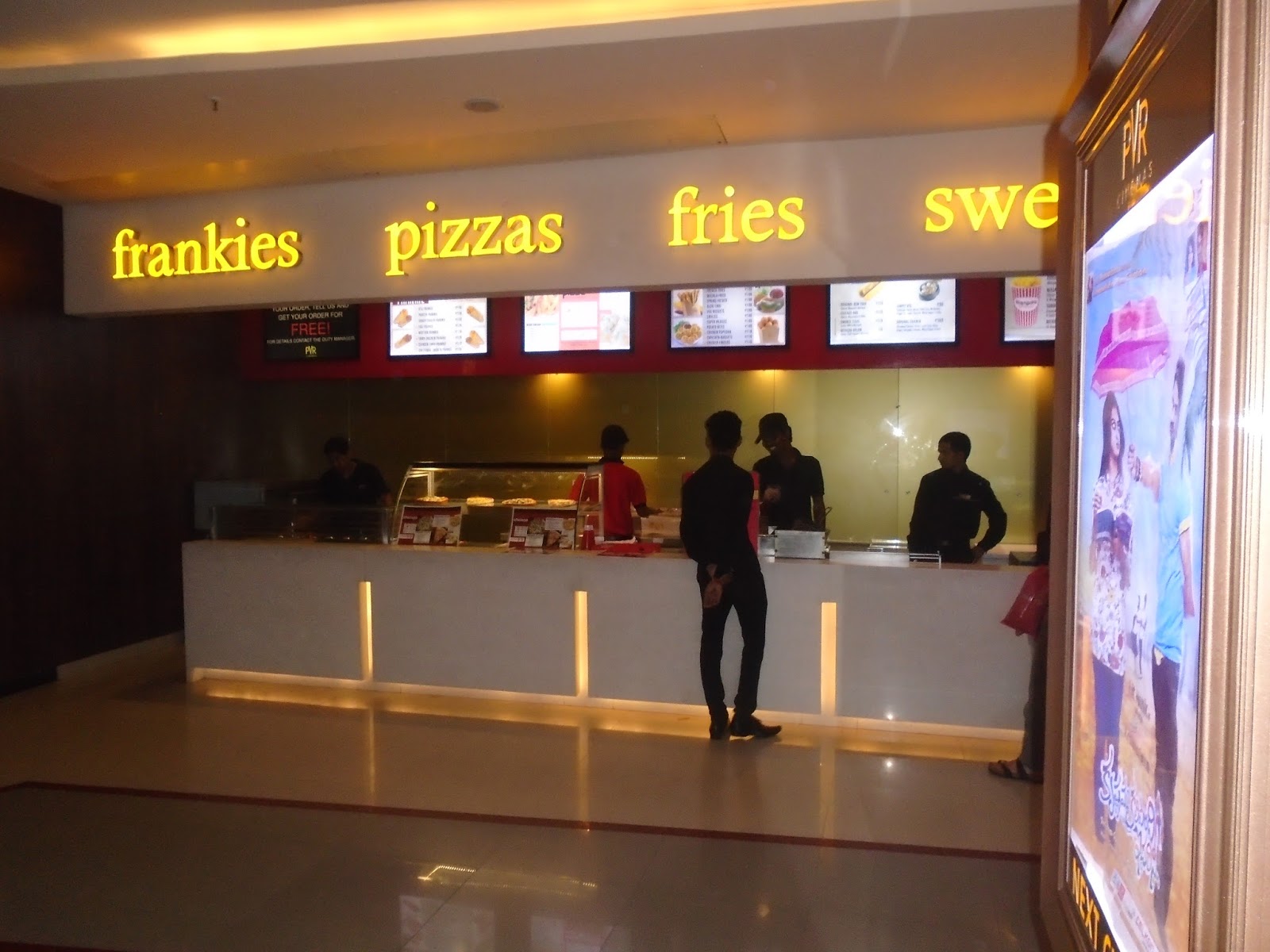
Here is a cool video from the Travel Channel on how urban Indians
work, play, pray and of course eat! In it Anthony Bourdain shows how Kolkata
and Mumbai remind him of his hometown, New York City. It’s about the interweaving of classes,
cultures, and finding comparisons like between the Howrah Bridge and Brooklyn
Bridge. Though I don’t think Jimmy John's
can compete with lunch delivered by a dabbawalla.
Thursday, August 6, 2015
Saturday, July 25, 2015
Developing Human Capital in India and the United States
Before my International Field Experience in India my
research questions was framed around the inquiry of how India is addressing the
needs of learning disabled students so they are best equipped to enter the
workforce after high school. Based on classroom observations and interviews
with staff and students, I discovered there was not a special education system
in place and the classroom culture did not promote differentiation based on
academic or behavior needs. My research
question evolved into: “What is the changing role of India and the US to help
develop career skills for under-represented populations?”
Friday, July 24, 2015
Thursday, July 23, 2015
Wednesday, July 22, 2015
Rickshaw ride to school...Mom and Dad, please don't watch
Join me on a 12 minute auto rickshaw ride from the Taj Banjara Hotel to Jubilee Hills schools. This was a relatively low
traffic morning with little congestion or delays. We are going through a few
of the more affluent areas of Hyderabad, you will see paved streets and medians help keep traffic on the correct sides of the road.
https://www.youtube.com/watch?v=XzqZfWFEHl8
Please read the following questions and watch the video to uncover the answers:
1)
Is there a ten second increment of no horns?
2)
What gesture did the driver make to move traffic
along?
3)
In India do you drive on the right or left hand
side of the road?
4)
What do you think the ride was like on the
morning of a monsoon rain?
5)
How hard would it be to pull a rickshaw by bicycle
or a camel?
6) Are there any times when traffic stands still?
7)
Are motorcycle riders wearing helmets?
8)
Are children wearing seatbelts or in car seats?
9)
Are there more people walking on the sidewalk or
the streets?
10)
What is the most amount of people you can find
on one motorcycle?
On a different day, I saw a family of four.
11)
Do you see any advertisements on the side of
rickshaws?
12)
What stores or restaurants do we pass that you
recognize?
13)
Compared to your experience driving in the US,
is there more or less road rage and why?
14)
Are there any accidents? Could there be accidents, why or why not?
15)
Do you notice any trash or unkempt areas?
16) Are there street vendors?
17) Are people dressed for work,
school, fun, or no particular occasion?
18) What language does the rickshaw
driver speak?
19) What is the average kilometers
per liter of fuel used by a rickshaw?
20) What is the
fee charged to two passengers for this rickshaw ride?Tuesday, July 21, 2015
Learning Styles Across Culture
When students in the upper grades complete daily homework
they show discipline and are more intrapersonal in their approach. Opting
for a quiet, neat environment with no music, friends, distractions, movement, gum
chewing, highlighters, or even flash cards.
Homework and academic success are top priorities which will lead to careers of innovation. Thomas Friedman could not
have said it better when he told his daughters, “Finish your homework. Kids in India
are starving for your job.”Friday, July 17, 2015
Saris are a symbol for the nation
Months before I found out my teaching assignment this summer would be in India, I heard a story on NPR called: “Love Is Saying 'Sari': The Quest to Save a South Asian Tradition.” I used it for a lesson in my business class on textiles around the world. Please take a listen to the story and you will discover why many students into fashion were intrigued.
Thursday, July 16, 2015
Right to Education Act
Not long along, in 2010 the "Right to Education Act" changed the trajectory of youth in India. Better known as RTE, it entitles every child between 6 and 14 years to a free and compulsory education under the Indian Constitution. Since then student attendance has improved, but literacy and growth in student achievement have not shown significant gains. To follow RTE's path of progress please take twenty minutes and watch this video clip fro Rajya Sabha TV, it presents the multifaceted challenges of what I have coined the "India Education Equation."
If RTE was designed to strike a balance between the need for all children to receive a quality education and the socioeconomic condition and social fabric of India, what is the measure of quality in education? If a student is passed along to grade 8, regardless of attendance or meeting academic standards, how can he or she be prepared for the all important exams of Grades 10, 11, and 12. Meanwhile, a missing link is career pathway awareness that promotes more than the two main streams of science and commerce.

If you look at the industry sectors of the "Make in India" initiative, two questions come to mind. First, which areas are being taught in a secondary school setting? Second, how will India's youth achieve the skill development to work in such sectors?
If RTE was designed to strike a balance between the need for all children to receive a quality education and the socioeconomic condition and social fabric of India, what is the measure of quality in education? If a student is passed along to grade 8, regardless of attendance or meeting academic standards, how can he or she be prepared for the all important exams of Grades 10, 11, and 12. Meanwhile, a missing link is career pathway awareness that promotes more than the two main streams of science and commerce.
If you look at the industry sectors of the "Make in India" initiative, two questions come to mind. First, which areas are being taught in a secondary school setting? Second, how will India's youth achieve the skill development to work in such sectors?
.
Tuesday, July 14, 2015
Day 16....Taj Mahal and more
TGC fellows saw the The Taj Mahal at sunrise. A central point of this wonder of the world, is the
tomb and its four minarets, flanked by a mosque and assembly hall. The Taj is exactly as wide as it is
tall, 55 meters. A highlight of the monument is the
exquisitely carved pietra dura inlaid with semi-precious stones. The color of the transparent marble keeps
changing from dawn to midnight giving it a magical aura, keeping with Mughal Emperor Shah
Jahan's vision that the tomb and garden
should represent paradise on earth, in memory of his wife Mumtaz Mahal.

Monday, July 13, 2015
Day 15....on the way to Aura
Today we had our last school visit as a large group to Sesame
Street Schoolhouse which is a Pre School program and has been selected to develop
a school readiness program by the government of India. We heard a marketing presentation on how the Sesame
Street curriculum, Galli Galli Sim Sim, develops school readiness, promotes
literacy, and uses mixed methodology to teach academics and emotional well-being. The school follows a revenue and franchise
model, with over 30 centers in the country.
Teachers took us on a tour of the different interactive
learning classrooms, which are set up like learning stations. There is a strong digital presence including
educational videos on MP3 players, broadcast TV, the web, phone messages, RSS
technology, and text based messages. Teachers and parents can find teaching
tips on educational strategies and content online. Their current challenge is to produce content
to use globally, in the preschool sphere, and open source.
On the way to the hotel, we drove by Lotus Temple and took
pictures from afar. Visitors were lined
up for hours to visit the Bahá'à House of Worship, where people of any faith
are free to pray or meditate. The structure is
made up of pure white marble. The lotus shape was chosen because it is a symbol
common to Hinduism, Buddhism, Jainism and Islam. Around the blooming petals
there are nine pools of water and it is set among lush green landscaped
gardens.
Saturday, July 11, 2015
Day 14....cultural day in Delhi

Today was a busy cultural day, sightseeing at Dilli Haat, Qutub Minar, Humayun's Tomb and Chandni Chowk. Then a sound and light show at the Red Fort.
Qutub Minar is the second largest minar in India, at 73 meters tall. It is a watchtower protecting the Qutub Complex. It is surrounded by ancient and medieval monuments. Here are several pictures illustrating a blending of colors, textures, and architecture.
Day 13....on to Delhi
Today each India teacher team traveled to Delhi to reconvene
with our cohort group. It was exciting to hear about the other schools, cultural
experiences, and escapades. Matching the
diversity and multicultural environment of India, each host school was unique,
yet shared similarities. Together, there
is a wonderful opportunity to collaborate on global vision from the framework of academic
achievement, business and industry developments, and inspiration for the
future. In my visits to schools in India
many had words of wisdom to pause and think about, such as President Lincoln’s
letter to his son's teacher..."an adventure that might take him across continents."
Throughout this trip I found connections with global education
and lessons to bring back to my students and community, from innovative ways to
interact with the world, to cross cultural customer service, to branding, to a simple
restaurant task such as folding napkins, as seen in the video clip below.
Day 12....Friday at Jubilee Hills
Today the entire Jubilee Hills campus participated in International Yoga Day during the morning assembly. After that Robyn and I visited a school just a short walk from Jubilee Hills, called
Bharatiya Vidya Bhavan’s Public School. The eight acre campus has an environmental focus, including
plants and animals. I met a student who proudly
held a plant he brought in for his birthday. Students are encouraged to celebrate their
birthday by planting a plant or bringing in a book for the library, something
that will be enjoyed for years to come.
While observing the Business Studies 11th Grade class, students discussed the characteristics of business and the opportunity in India for trade. I was able to share the kinds of products and services my students sell in our high school and the unique business perspective living in West Michigan brings to sales, as we are a test market for many products. Students made predictions on which Indian goods would sell in West Michigan and why or why not. Next in the math class, students drew a Square Root Spiral. The teacher modeled what needed to be done on the board and students were actively engaged in the assignment.
Back at Jubilee Hills we met with the Chairman, A. Murali
Mukund, Sree, and another board member to reflect on our experience this week and
initiatives in global education. After
school we went to Sree’s home to relax before dinner at a popular restaurant
known for Hyderabad favorites, biryani chicken, Apollo fish and haleem, a Ramadan
food.
Friday, July 10, 2015
Day 11….Thursday at Jubilee Hills
Today I went to a science class where students just
completed a lesson on seeds and nutrients. Working in small teams students
created a unique fruit or vegetable dish and explained the
ingredients to the
class. The students explained what they
learned to me and we thought about how important nutrient sources are to
the
world.
I also attended the Hindi English class which was an active
learning environment. The teacher drew a map of India on the board and students
referred to it as they talked. The
lesson involved listening, reading, and writing skills. Students stood up to answer a question or
came up to the front of the class. When the
students finished answering a question the teacher shook their hand and you
could sense the confidence, respect, and trust the students and teacher had for
one another. I was able to teach a mini
lesson on developing global communities using a connection with the “Be Nice”
tootsie pop lesson. We constructed a Venn
diagram on the board, if a student was unable to write the word they drew a
graphic representation, we then wrote the word together. Students were excited to receive a “Be Nice”
bracelet at the end of the lesson and practiced how they will share the message
with friends and family.

Robyn and I then made presentations to Grade 9-12 on “Developing
Skills to Confront the Global Economy.”
It was interactive and thought provoking. We presented information, then a student led
panel from Grade 12 of Wael, Charana, Aishwarya, Abhishek, and Swat answered
questions and led a discussion with the student body. This was a great opportunity for students to
think critically and share their insights on global education now and think
about how they will interact as global leaders of the future. I hope to share a video link of the complete
presentation when it becomes available from the JH AV Department.
After school Robyn, Deepthi from Jubilee Hills and I went to
Shilparamam which is an arts, crafts and cultural village. There is a museum with over 15 life-sized
huts and models that showcase the skills and life of artisans. It’s a kaleidoscope of India’s color,
diversity and talent with music, gardens, art and shopping.
Subscribe to:
Posts (Atom)